Home Technology 7 IT Skills for Jobs That Boost Your...
Read More
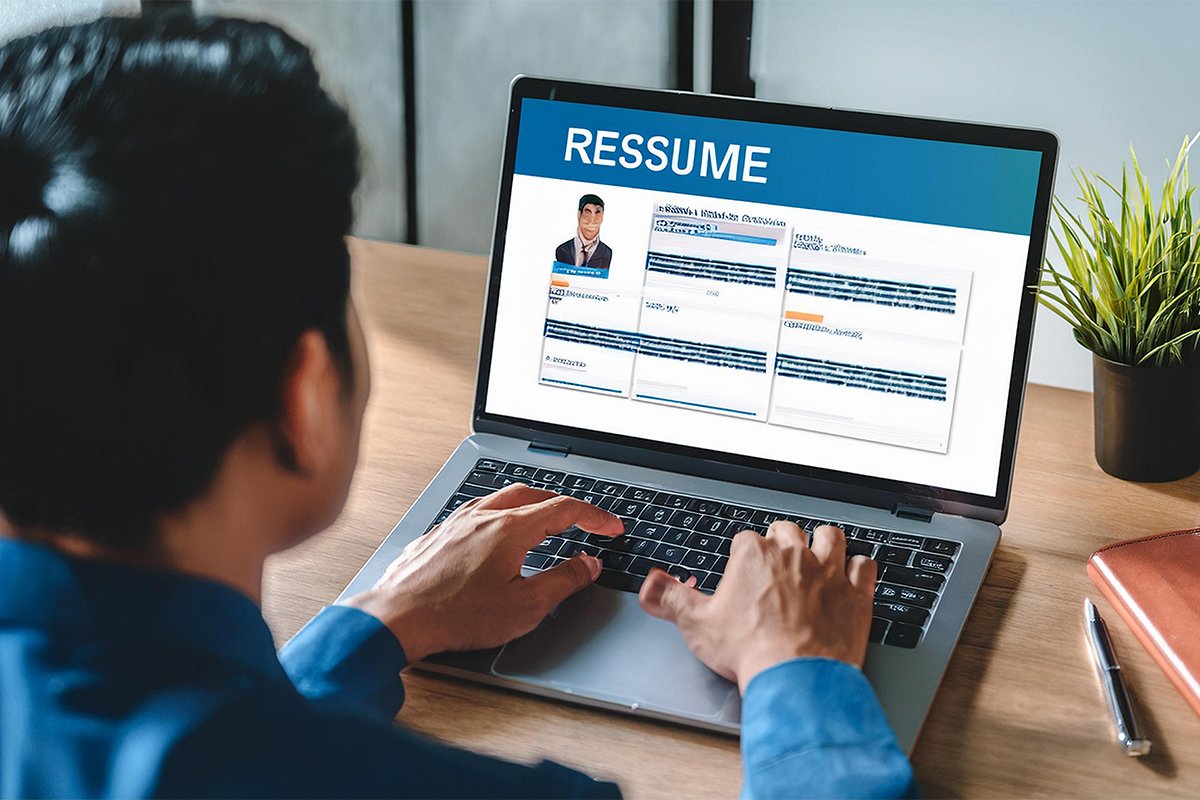
Putting together your very first resume can feel daunting, particularly when you haven’t built up much of a work history yet. However, a well-structured resume can make a strong first impression and significantly improve your chances of getting shortlisted. Recruiters often spend only a few seconds reviewing each resume, so presenting your skills and qualifications effectively is essential.
If you’re wondering how to make a resume for freshers, this guide covers everything you need to know. From choosing the right fresher resume format to avoiding common mistakes, these resume tips for freshers will help you build a professional resume that stands out and increases your chances of receiving interview calls.

Think of your resume as more than a formality — it’s the first handshake, shaping how an employer sees you before you’ve even met. Since freshers usually have limited professional experience, recruiters evaluate them based on their education, technical skills, certifications, projects, internships, and overall presentation. A professional resume demonstrates that you are organized, detail-oriented, and ready for the workplace. It also helps recruiters quickly identify whether you are suitable for a particular role.

Your resume acts as your first opportunity to impress employers. A clear, concise, and relevant resume can help you pass the initial screening process and move to the interview stage.
Why Recruiters Reject Many Fresher Resumes?
Many resumes fail because they are poorly formatted, contain unnecessary information, include spelling mistakes, or don’t highlight relevant skills. Understanding these issues can help you create a resume that attracts attention for the right reasons.
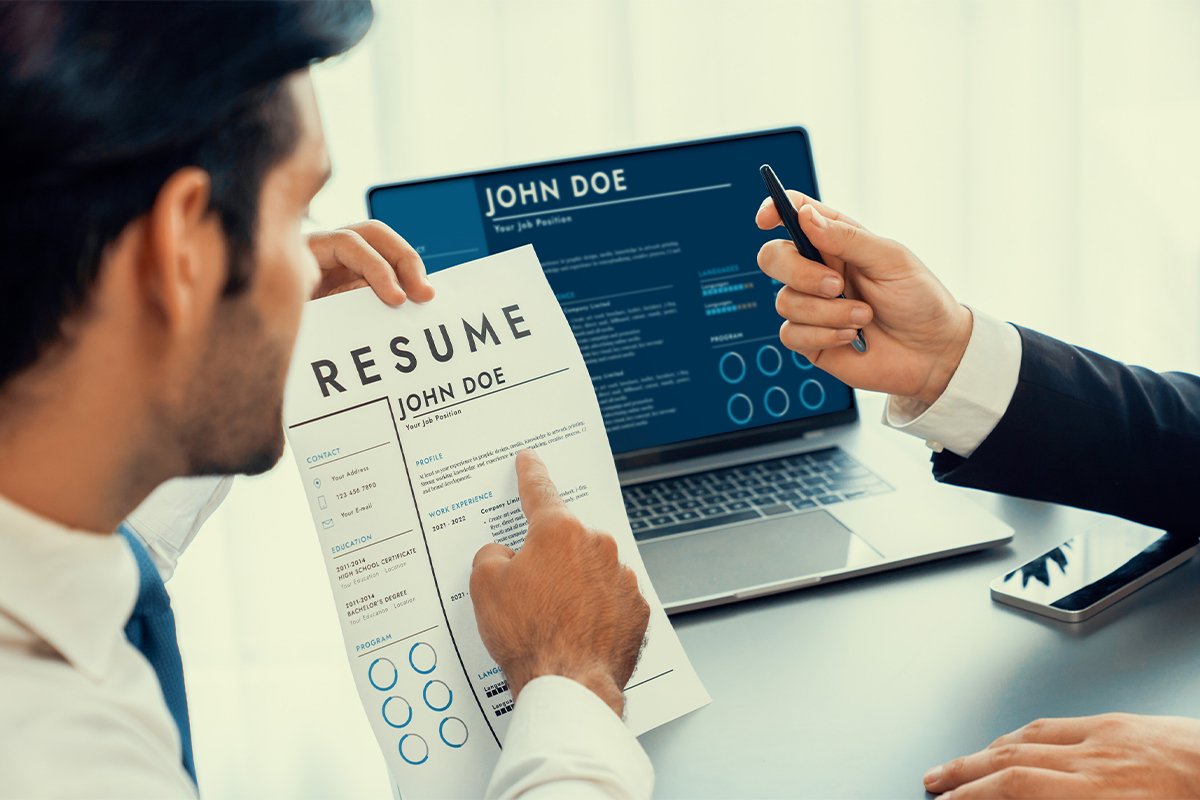
If you’re unsure where to begin, follow a structured approach that highlights your strengths instead of focusing on your lack of experience.
Choose the Right Fresher Resume Format: A simple and clean layout works best for freshers. Your resume should generally include:
Use readable fonts, consistent formatting, and enough white space to improve readability.
Write a Strong Career Objective: Your career objective should clearly communicate your enthusiasm and career goals. Keep it brief and tailored to the specific job you’re targeting.
For instance: “A newly graduated computer science student aiming to launch a career in software development, keen to apply hands-on coding ability, absorb knowledge from seasoned mentors, and add value to impactful projects.
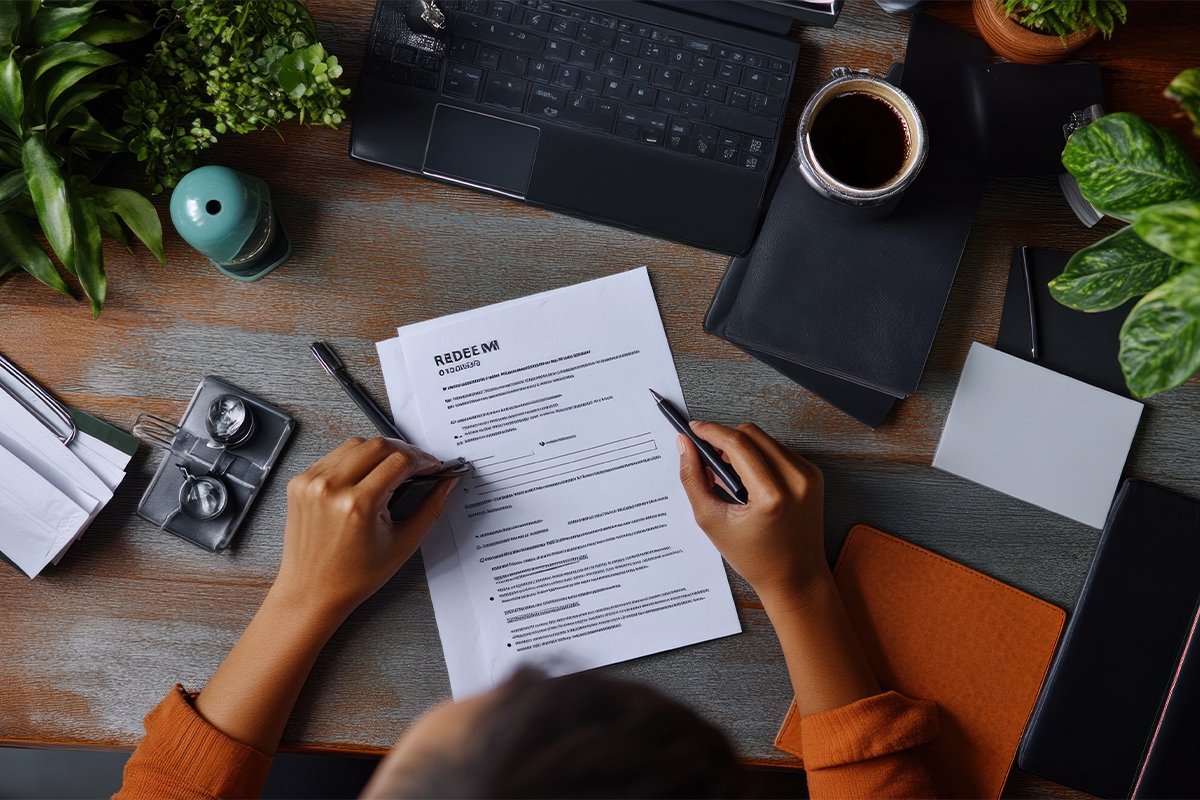
A resume should showcase your strengths while remaining concise and relevant. These resume writing tips can help improve your chances of getting shortlisted.
Highlight Skills That Match the Job
Always read the job description before applying. Include relevant technical and soft skills that align with the employer’s requirements.
For IT roles, you can include skills such as:
Mirroring language straight from the job posting also helps your resume clear Applicant Tracking Systems (ATS) screening.
1. Showcase Academic Projects and Certifications
No work history yet? Projects are a great way to show you can actually apply what you’ve learned. Mention:
Also include relevant certifications from recognized platforms or training institutes to strengthen your profile.
2. Keep Your Resume ATS-Friendly
A lot of companies run resumes through Applicant Tracking Systems to narrow the pile before a human recruiter ever looks at it.
Submit your resume as a PDF by default, unless the employer specifically requests a different format.
3. Use relevant industry keywords naturally.
These small improvements can significantly increase your visibility during the hiring process.

Technology recruiters often look for evidence of practical skills rather than lengthy descriptions.
1. Mention Technical Projects
Include projects involving:
Explain your role and the technologies you used instead of simply listing project names.
2. Add GitHub or Portfolio Links
If you have built personal projects, include links to your GitHub profile or portfolio website. This allows recruiters to evaluate your coding skills and demonstrates your willingness to learn beyond the classroom.

Even a highly qualified candidate can lose interview opportunities because of avoidable mistakes.
Taking a few extra minutes to proofread your resume can make a significant difference.

Building a strong resume is only one part of your job search. Combining it with smart career strategies improves your chances even further.
Here are some placement preparation tips:
Consistent learning and preparation help freshers become more confident and job-ready.

A polished resume can make all the difference when you’re stepping into the job market for the first time. Get the format right, showcase skills that actually matter for the role, sidestep the usual rookie errors, and you’ll notice a real jump in how often your application gets a second look. That said, a strong resume only gets you part of the way there.
If you want structured support—placement coaching, resume reviews, mock interviews, or hands-on technical training—DSoft Institute is built to get freshers genuinely job-ready. With practical, industry-focused learning and real placement backing, it’s a solid way to move from “just applying” to actually landing the role you’re after.
1. Which resume format works best for someone just starting?
For freshers, a straightforward reverse-chronological layout usually works best— organized around education, skills, projects, certifications, and any notable achievements.
2. How long should a fresher’s resume actually be?
One page is the sweet spot. Stick to genuinely relevant information and skip the filler.
3. With no job experience, what should freshers put on their resume instead?
Lean on what you do have- college projects, internships, certifications, technical know-how, achievements, extracurriculars, or any volunteer work.
4. How do you get a resume past ATS screening?
Keep the formatting clean, weave in keywords pulled straight from the job listing, skip graphics and tables, and use clear, standard section headers.
5. What are the most common resume slip-ups to watch out for?
Typos, unrelated details, messy layouts, vague objective statements, and firing off the same generic resume to every job posting are the usual culprits.
6. As a fresher, how do I land more interview calls?
Tailor your resume for each specific role, build up skills that are actually in demand, gain real project experience, prep thoroughly for interviews, and keep learning through courses and certifications along the way.
Sruthimol K Sasi
Content Writer
D Soft Institute
Home Technology 7 IT Skills for Jobs That Boost Your...
Read MoreHome Technology How to Choose the Best Social Media Marketing...
Read More
. Simplifying Hospital Operations Management
One of the biggest causes of patient frustration is inefficiency- long queues, delayed discharge, misplaced records, or confusing billing. Administrators improve this by optimizing hospital operations management: redesigning patient flow, digitizing records, coordinating between departments, and removing bottlenecks that waste patients time. A well-managed patient journey, from admission to discharge, is often the single biggest driver of satisfaction scores. Streamlining operations remains one of the most impactful Hospital Administrator Responsibilities in any healthcare facility.
2. Training and Empowering
Staff Administrators set the vocal for how staff interact with patients. By organizing regular training on communication, empathy, and cultural sensitivity, they ensure that every highlights- from the receptionist to the discharge nurse; reflects patient-centred healthcare values. Empowered staff who feel supported by management are far more likely to treat patients with warmth and patience. Staff training and supervision are core Hospital Administrator Responsibilities that shape day-to-day patient interactions.
3. Managing Facilities and Environment
Cleanliness, comfort, wayfinding, and safety all fall under administrative oversight. Simple upgrades like clearer signboards, comfortable waiting areas, and faster housekeeping response times significantly influence how patients perceive their care, even before a doctor sees them.
4. Handling Complaints and Feedback
Loops Improving patient satisfaction in hospitals requires a system, not guesswork. Administrators build structured channels- feedback kiosks, post-discharge calls, digital surveys- to capture patient voices and act on them. Effective patient experience management means closing the loop: identifying recurring issues and fixing root causes rather than offering one-time apologies. Managing this feedback loop is one of the most patient-facing Hospital Administrator Responsibilities.
5. Bridging Technology and Care
From appointment scheduling apps to electronic health records, administrators drive the adoption of technology that reduces friction. A patient who can book a slot online, receive automated reminders, and access reports digitally experiences far less stress than one navigating paper-based systems.
6. Financial Transparency and Billing Clarity
Confusing bills are a top complaint in hospitals worldwide. Administrators who standardize billing processes, offer transparent cost estimates, and train billing staff to explain charges clearly prevent unnecessary anxiety and disputes, building long-term trust.
7. Coordinating Cross-Department Communication
Patient experience often suffers when departments fail to communicate- a lab report delayed, a referral lost, or a discharge summary not shared with pharmacy. Strong administrators create protocols that ensure seamless coordination across departments, so patients don’t have to repeat their history five times or chase down their own reports. Cross-departmental coordination is often cited as one of the most underrated Hospital Administrator Responsibilities.
Home Technology 7 IT Skills for Jobs That Boost Your...
Read MoreHome Technology How to Choose the Best Social Media Marketing...
Read More