Home Technology 7 IT Skills for Jobs That Boost Your...
Read More
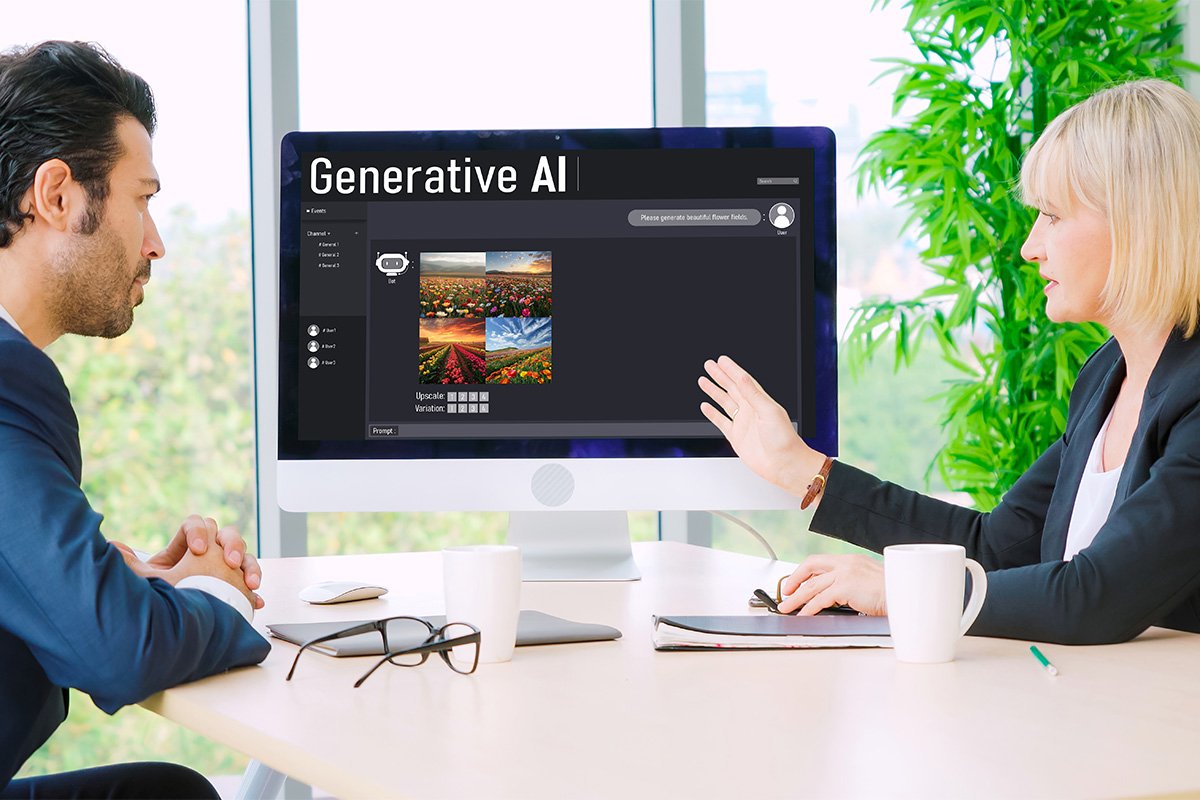
Open any design forum today, and you’ll find the same anxious question repeated in a dozen different ways: will AI replace graphic designers? With tools like Adobe Firefly, Canva AI, and Midjourney generating polished visuals in seconds, it’s a fair thing to wonder. But the honest answer is more nuanced than a simple yes or no- and understanding why matters if you’re building or planning a graphic design career in the years ahead.
AI is undeniably changing the profession. It is not, however, replacing the people behind it — at least not the ones willing to adapt.
AI and graphic design have become deeply intertwined over the past few years. What used to take hours — mock-ups, background removal, layout variations — can now happen in minutes with the right prompt.
Designers today are expected to know how to work alongside these tools, not just with traditional software. Studios and agencies increasingly look for graphic designer skills that include AI fluency: knowing which tool fits which task, how to prompt effectively, and how to refine AI output into something client-ready.
This shift isn’t about designers being pushed out. It’s about the job itself being redefined.
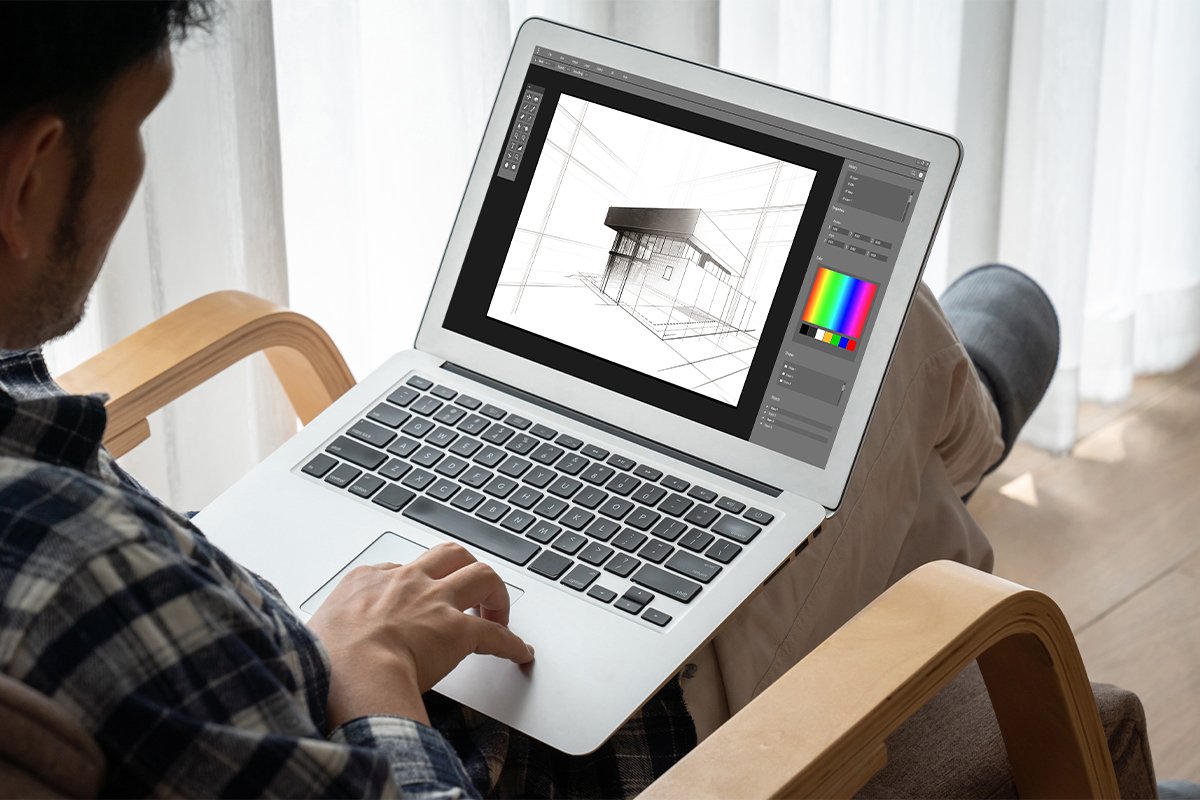
To answer “will AI replace graphic designers” honestly, it helps to look at what these tools are actually good at:
These are genuinely useful capabilities. They speed up the unglamorous parts of the job- which, frankly, most designers are happy to hand off.
Here’s where the conversation usually shifts. AI tools for graphic designers are excellent at execution, but they consistently fall short on the things clients actually pay for:
An AI can generate a thousand logo variations. It can’t tell you which one actually represents a founder’s twenty-year journey building their company.

Creativity isn’t just about producing something new — it’s about producing something meaningful. AI models remix patterns from existing data; they don’t have lived experience, personal taste, or an instinct for when a design should break the rules instead of follow them.
Branding, in particular, depends on trust and authenticity. A machine can imitate a style, but it can’t build a relationship with a client or understand the emotional weight behind a brand’s story. That’s still — and will likely remain — deeply human work.

If you’re aiming to build a lasting graphic design career, here are a few practical steps worth taking:
Learn the AI tools, don’t avoid them. Get comfortable with Adobe Firefly, Canva AI, Midjourney, and ChatGPT for ideation and content support. Double down on strategy.Get grounded in branding fundamentals, market positioning, and client communication — skills that no plugin can replicate. Build a strong portfolio of original work. Show your thinking, not just your output.
Invest in structured learning. A solid graphic design course or graphic design certification can help you formalize both traditional skills and AI-integrated workflows.
Keep learning continuously. Graphic design skills in 2026 look different from five years ago, and they’ll keep evolving.
Fearing AI rarely leads anywhere useful. Learning to use it strategically does.

Despite the noise, graphic designer jobs haven’t disappeared — they’ve shifted. Employers are actively looking for designers who can pair creative judgment with AI efficiency. Graphic design career opportunities are shifting toward hybrid roles — think AI-assisted art direction, brand strategy, UX-adjacent design, and content systems design.
Enrolling in updated graphic design training that covers both classic principles and modern AI workflows is one of the smartest moves a beginner or working designer can make right now.

So, will AI replace graphic designers? Not the ones who evolve with it. AI is a powerful collaborator — fast, efficient, and endlessly patient — but it still lacks the human judgment, empathy, and storytelling instinct that make design genuinely resonate. The designers who thrive going forward will be the ones who treat AI as a tool in their kit, not a threat to their craft. Institutes like D Soft Institute are already building this shift into their training, helping aspiring designers pair strong creative fundamentals with practical AI skills from day one.
1. Will AI replace graphic designers completely?
No. AI can handle repetitive and production-based tasks, but strategic thinking, branding, and creative storytelling remain human-driven skills.
2. What AI tools should graphic designers learn in 2026?
Popular options include Adobe Firefly, Canva AI, Midjourney, ChatGPT, and Figma AI — each useful for different stages of the design process.
3. Is graphic design still a good career choice?
Yes. The field is evolving into hybrid roles that blend core design skills with growing AI proficiency, opening up new graphic design career opportunities.
4.Is a graphic design certification necessary to succeed?
While not mandatory, a graphic design course or certification helps build a strong foundation and signals credibility to employers and clients.
5. What skills should aspiring designers focus on now?
Prioritize branding, storytelling, client communication, and AI tool fluency — this combination defines in-demand graphic designer skills today.
Sruthimol K Sasi
Content Writer
D Soft Institute
Home Technology 7 IT Skills for Jobs That Boost Your...
Read MoreHome Technology How to Choose the Best Social Media Marketing...
Read More
. Simplifying Hospital Operations Management
One of the biggest causes of patient frustration is inefficiency- long queues, delayed discharge, misplaced records, or confusing billing. Administrators improve this by optimizing hospital operations management: redesigning patient flow, digitizing records, coordinating between departments, and removing bottlenecks that waste patients time. A well-managed patient journey, from admission to discharge, is often the single biggest driver of satisfaction scores. Streamlining operations remains one of the most impactful Hospital Administrator Responsibilities in any healthcare facility.
2. Training and Empowering
Staff Administrators set the vocal for how staff interact with patients. By organizing regular training on communication, empathy, and cultural sensitivity, they ensure that every highlights- from the receptionist to the discharge nurse; reflects patient-centred healthcare values. Empowered staff who feel supported by management are far more likely to treat patients with warmth and patience. Staff training and supervision are core Hospital Administrator Responsibilities that shape day-to-day patient interactions.
3. Managing Facilities and Environment
Cleanliness, comfort, wayfinding, and safety all fall under administrative oversight. Simple upgrades like clearer signboards, comfortable waiting areas, and faster housekeeping response times significantly influence how patients perceive their care, even before a doctor sees them.
4. Handling Complaints and Feedback
Loops Improving patient satisfaction in hospitals requires a system, not guesswork. Administrators build structured channels- feedback kiosks, post-discharge calls, digital surveys- to capture patient voices and act on them. Effective patient experience management means closing the loop: identifying recurring issues and fixing root causes rather than offering one-time apologies. Managing this feedback loop is one of the most patient-facing Hospital Administrator Responsibilities.
5. Bridging Technology and Care
From appointment scheduling apps to electronic health records, administrators drive the adoption of technology that reduces friction. A patient who can book a slot online, receive automated reminders, and access reports digitally experiences far less stress than one navigating paper-based systems.
6. Financial Transparency and Billing Clarity
Confusing bills are a top complaint in hospitals worldwide. Administrators who standardize billing processes, offer transparent cost estimates, and train billing staff to explain charges clearly prevent unnecessary anxiety and disputes, building long-term trust.
7. Coordinating Cross-Department Communication
Patient experience often suffers when departments fail to communicate- a lab report delayed, a referral lost, or a discharge summary not shared with pharmacy. Strong administrators create protocols that ensure seamless coordination across departments, so patients don’t have to repeat their history five times or chase down their own reports. Cross-departmental coordination is often cited as one of the most underrated Hospital Administrator Responsibilities.
Home Technology 7 IT Skills for Jobs That Boost Your...
Read MoreHome Technology How to Choose the Best Social Media Marketing...
Read More